What does 'refurbished' actually mean? (And is it worth buying?)
The word “refurbished” gets thrown around a lot. You see it on phones, laptops, tablets — and if you’re honest, it probably makes you a bit nervous. Sounds like a polite way of saying broken. It isn’t.
Here’s what it actually means, what the grades tell you, and whether it’s genuinely worth your money.
Refurbished is not the same as second-hand
This is the thing most people get wrong. Second-hand means someone owned it, used it, and sold it. No checks, no tests, no guarantees. You’re buying whatever they give you.
Refurbished means the phone has gone through a proper inspection process. It’s been tested, cleaned, and repaired where needed — then graded and put back on sale with a warranty. The two things aren’t really comparable.
A lot of refurbished phones haven’t even been heavily used. Many are customer returns, ex-display models, or phones that came back because someone changed their mind. They go into the refurb process, get checked out, and come back looking almost new.
What actually gets tested
A good refurbishment isn’t just a wipe-down. Most professional refurbishers run through 30 to 50 individual checks. Battery capacity gets measured — if it’s below around 80-85%, it gets replaced. The screen is tested for dead pixels and touch response. Cameras, buttons, speakers, charging ports — all of it gets put through its paces.
The phone also gets factory reset and updated to the latest OS. Any data from the previous owner is wiped. By the time it leaves the refurbisher, it should function exactly as it did when new.
Not every refurbisher is equally thorough, which is where buying from a reputable seller matters. At PhonesOutlet, every phone we sell has been properly inspected before it goes on the shelf.
What the grades mean
Grading tells you about the cosmetic condition, not whether the phone works. Every grade — Fair, Fine, Superb, Pristine — means the phone is fully functional. The grade just tells you how it looks.
GradeWhat to expect FairClear signs of use. Scratches, scuffs, maybe a small dent. Works perfectly, looks worn. FineLight scratches visible under good light. Screen clear when on. Normal wear for a used phone. SuperbBarely a mark on it. You’d struggle to tell it apart from new. PristineEffectively like new. No visible wear even up close.
For most people, Fine or Superb is the sweet spot. You save money over Pristine, but the phone looks perfectly good in daily use.
Your rights when buying refurbished
This surprises people: your legal rights on a refurbished phone are the same as on a new one. The Consumer Rights Act 2015 applies regardless of whether something is new or refurbished. The phone must be of satisfactory quality, fit for purpose, and as described.
In practice, that means:
- First 30 days: full refund if there’s a fault, no arguments
- 30 days to 6 months: the seller has to repair or replace it first; if they can’t, you get a refund
- Up to 6 years: you can still make a claim, though you may need to show the fault was there from the start
Any warranty you get from the seller is on top of this, not instead of it. A 90-day warranty doesn’t mean your rights expire after 90 days.
How much can you actually save?
Quite a lot, in most cases. Refurbished phones typically come in 30-60% cheaper than new, depending on the model and grade.
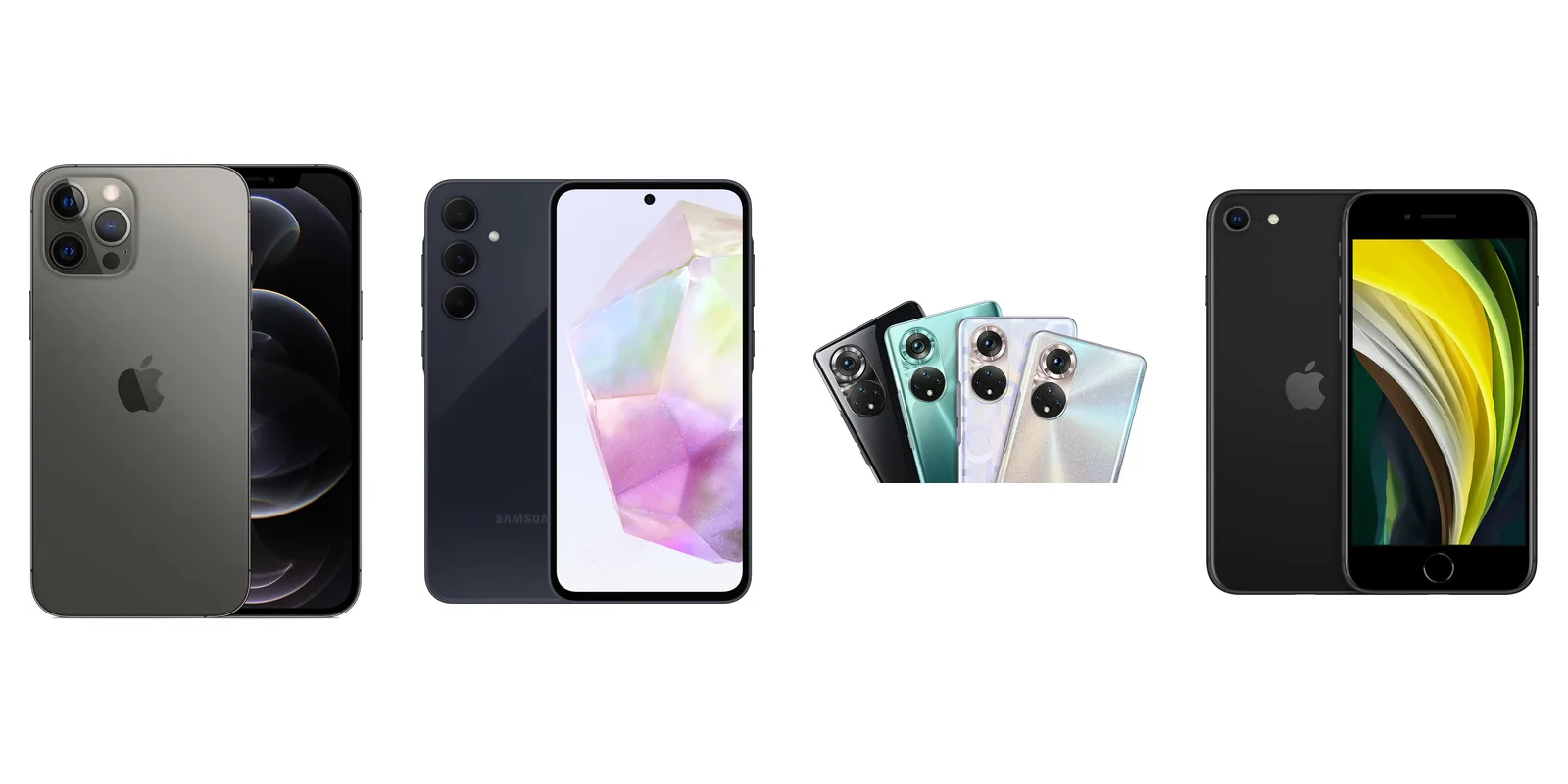
Take a few examples from what we have in stock right now:
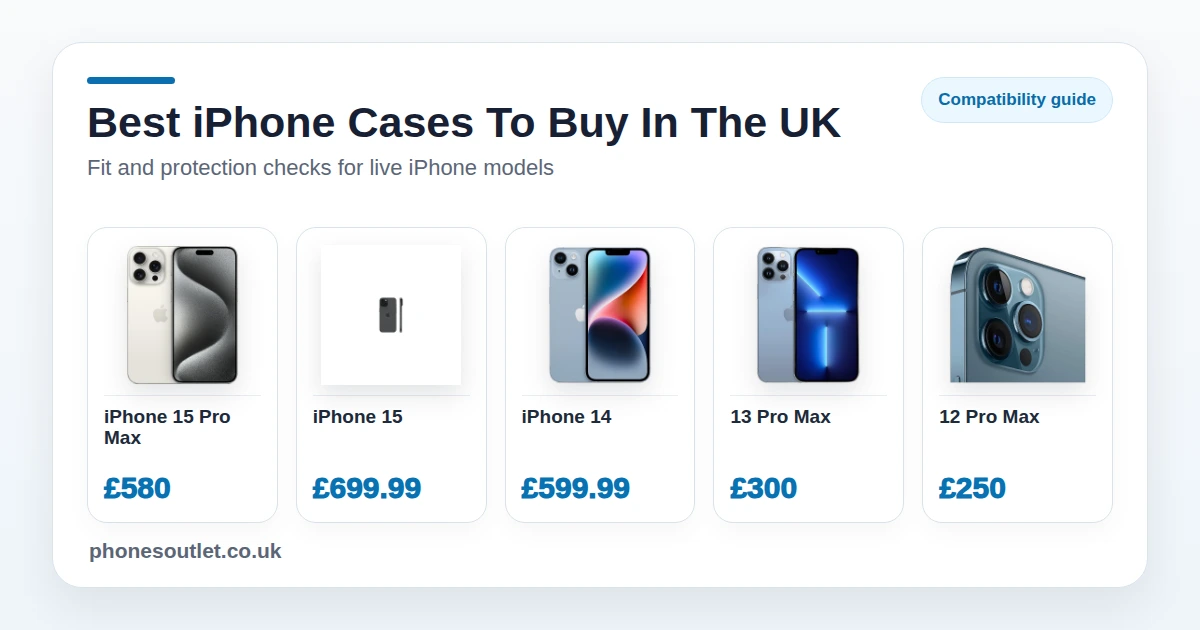
- iPhone 12 Pro Max in Superb condition — £280. A new iPhone 16 starts at around £800.
- Samsung Galaxy A35 5G in Superb — £179.99. Brand new would set you back around £300.
- Honor 50 in Superb — £160. Solid mid-range phone for well under £200.
- iPhone SE 2020 in Superb — £95. An iPhone for under a hundred pounds.
The savings are real. The question is just whether you’re comfortable with the idea of buying refurbished — and for most people, once they’ve done it once, they wonder why they waited.
The environmental side of it
UK households throw away around 1.5 million phones every year. Most of them end up in landfill or get shipped overseas, where the metals and chemicals cause all sorts of problems.
Buying refurbished keeps a phone in use for longer. It’s estimated that refurbishing a phone rather than making a new one saves around 50kg of CO2 per device. Not a huge number on its own, but the industry is growing fast, and the cumulative effect adds up.
It’s not the main reason most people buy refurbished, but it’s a decent extra.
So is it worth it?
For most buyers, yes. The risk is low — you have the same legal protections as buying new, the phones have been properly checked, and the savings are significant. The only real caveat is to buy from a seller you trust, not from an anonymous listing with no returns policy.
If you’re curious about what’s currently available, browse our full range of refurbished phones, or go straight to refurbished iPhones if that’s what you’re after. We stock everything from sub-£100 budget options up to flagship models — all graded, all tested, all covered.
Live catalogue check
Check current availability before buying
Models mentioned in an article can sell out or change in price. Use the live shop and the in-stock product cards below to confirm the current listing, condition and availability before checkout.